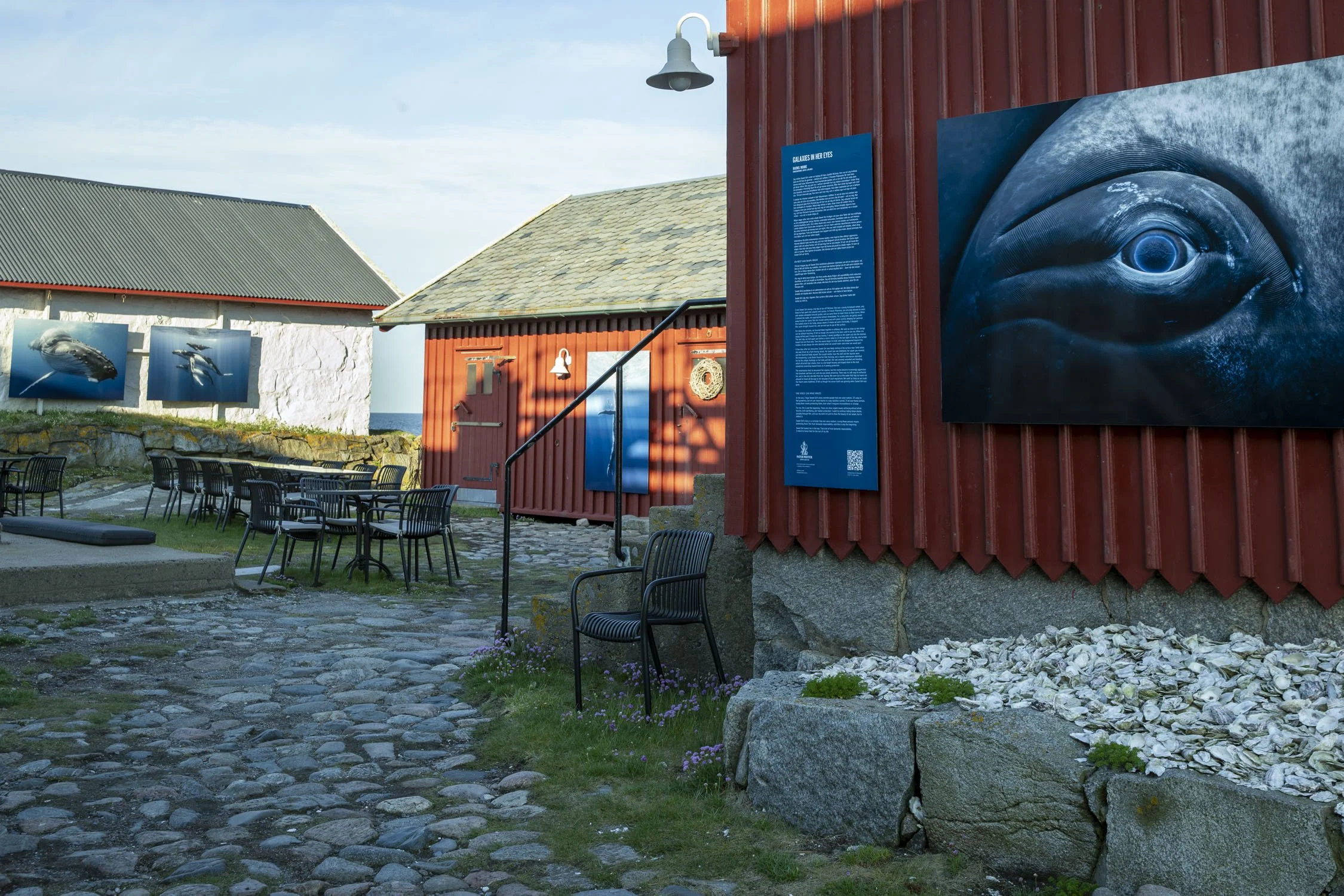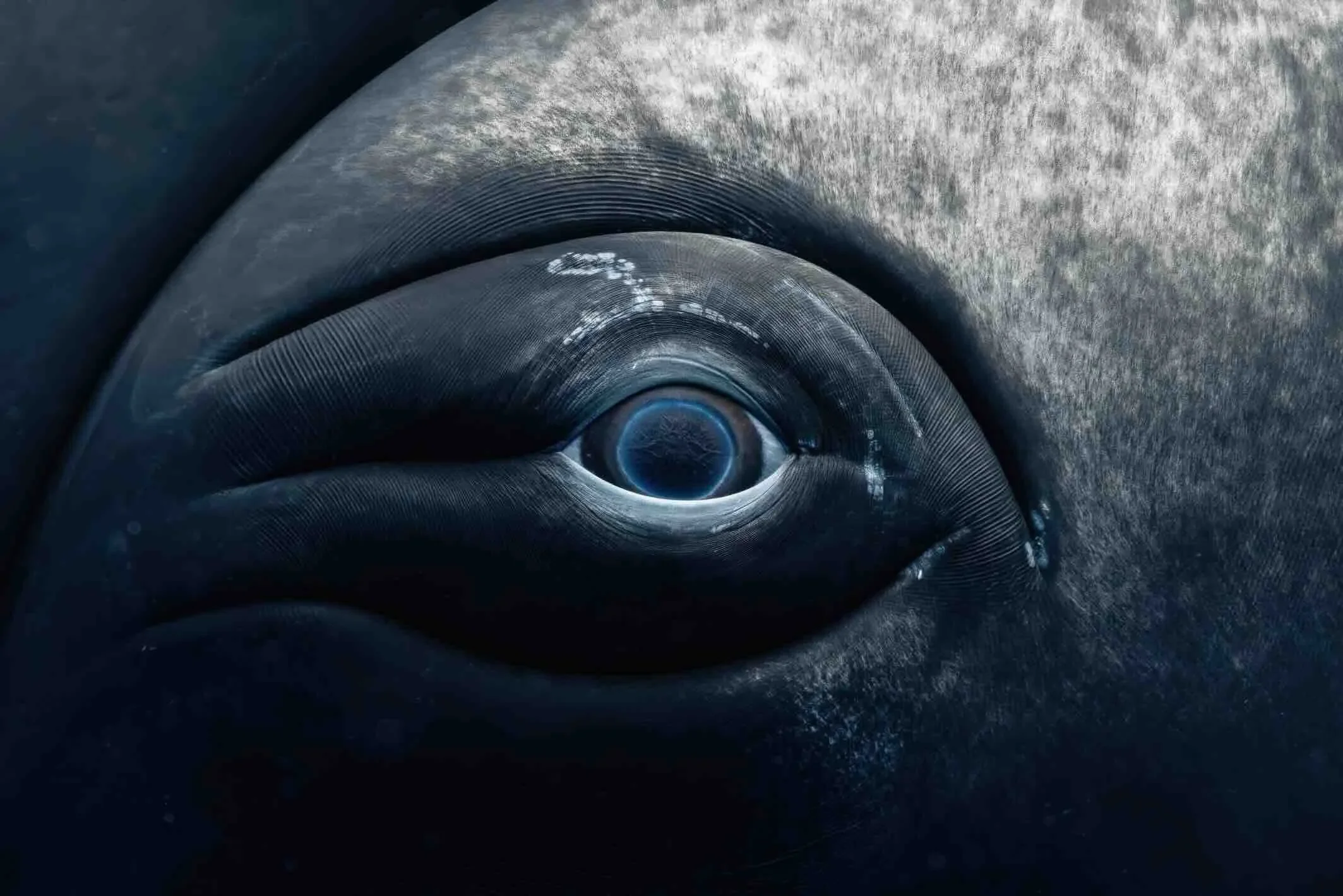
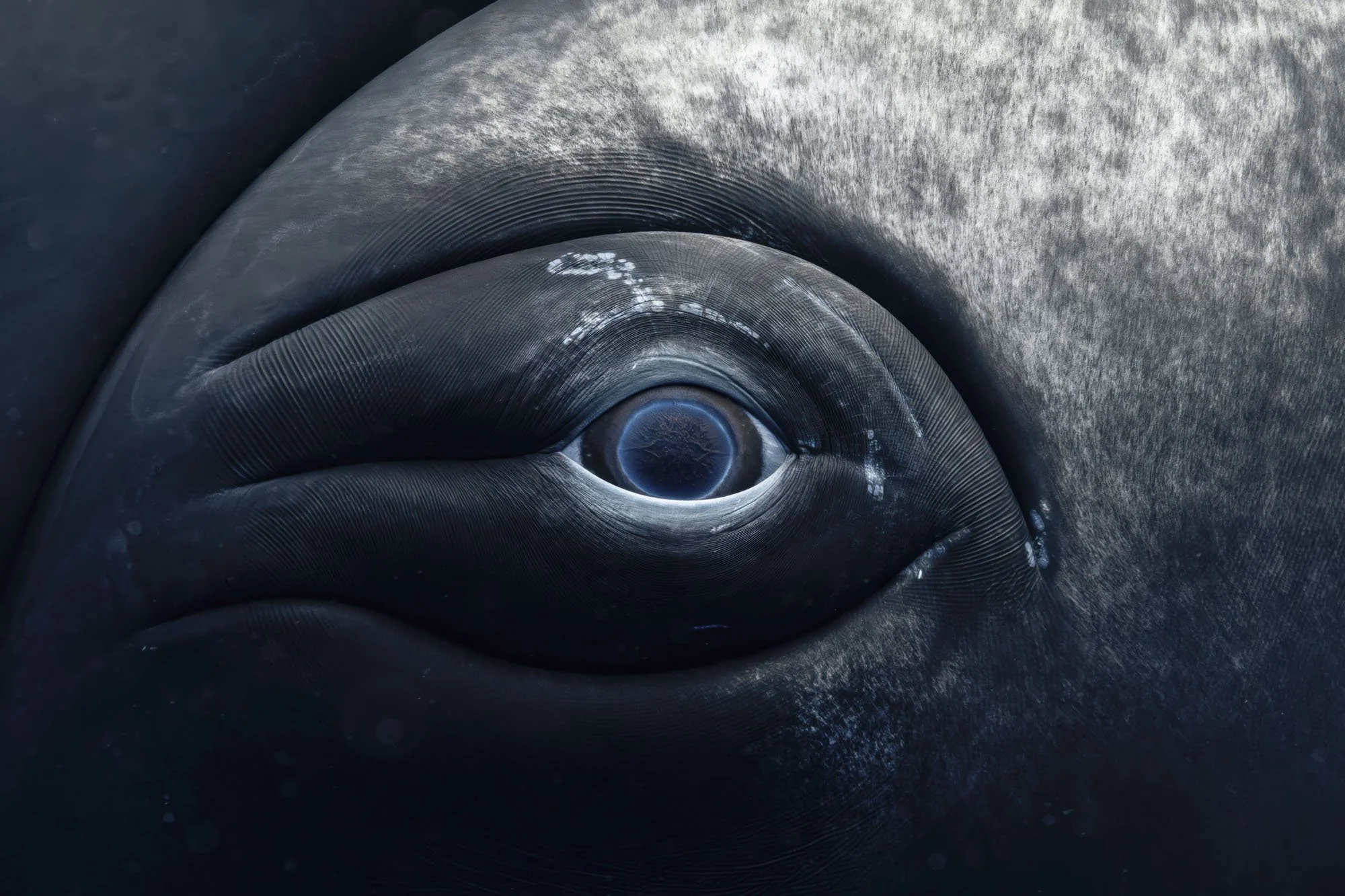
This eye belonged to the incredible whale named Sweet Girl. Tragically, she was struck and killed by a fast-moving ship, most likely a ferry running between Tahiti and Mo’orea. Though she had many names here, I fondly referred to her as Sweet Girl. Over the past few weeks, she touched countless lives, and thanks to your support of my recent photo, her story has reached millions.
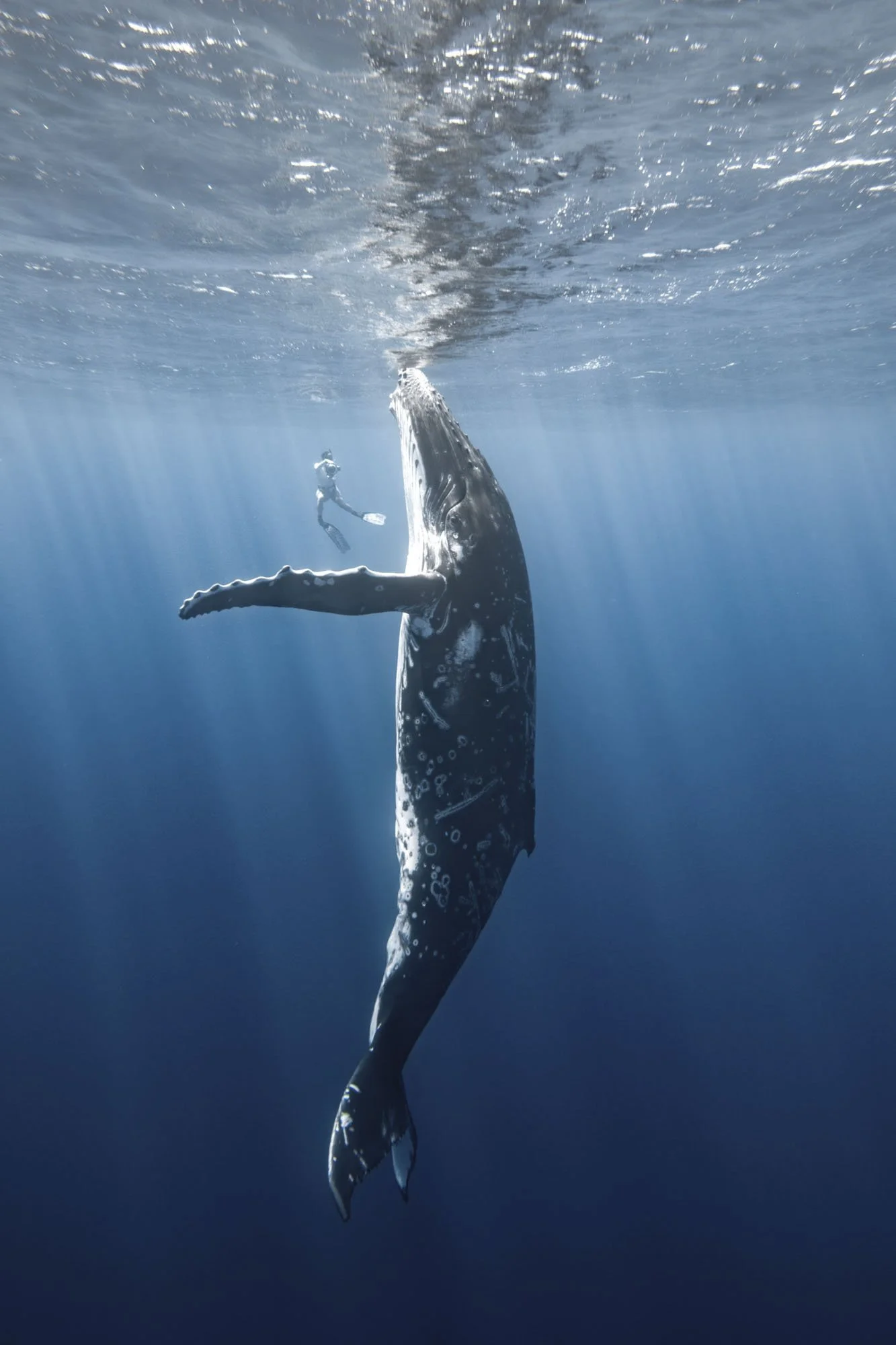
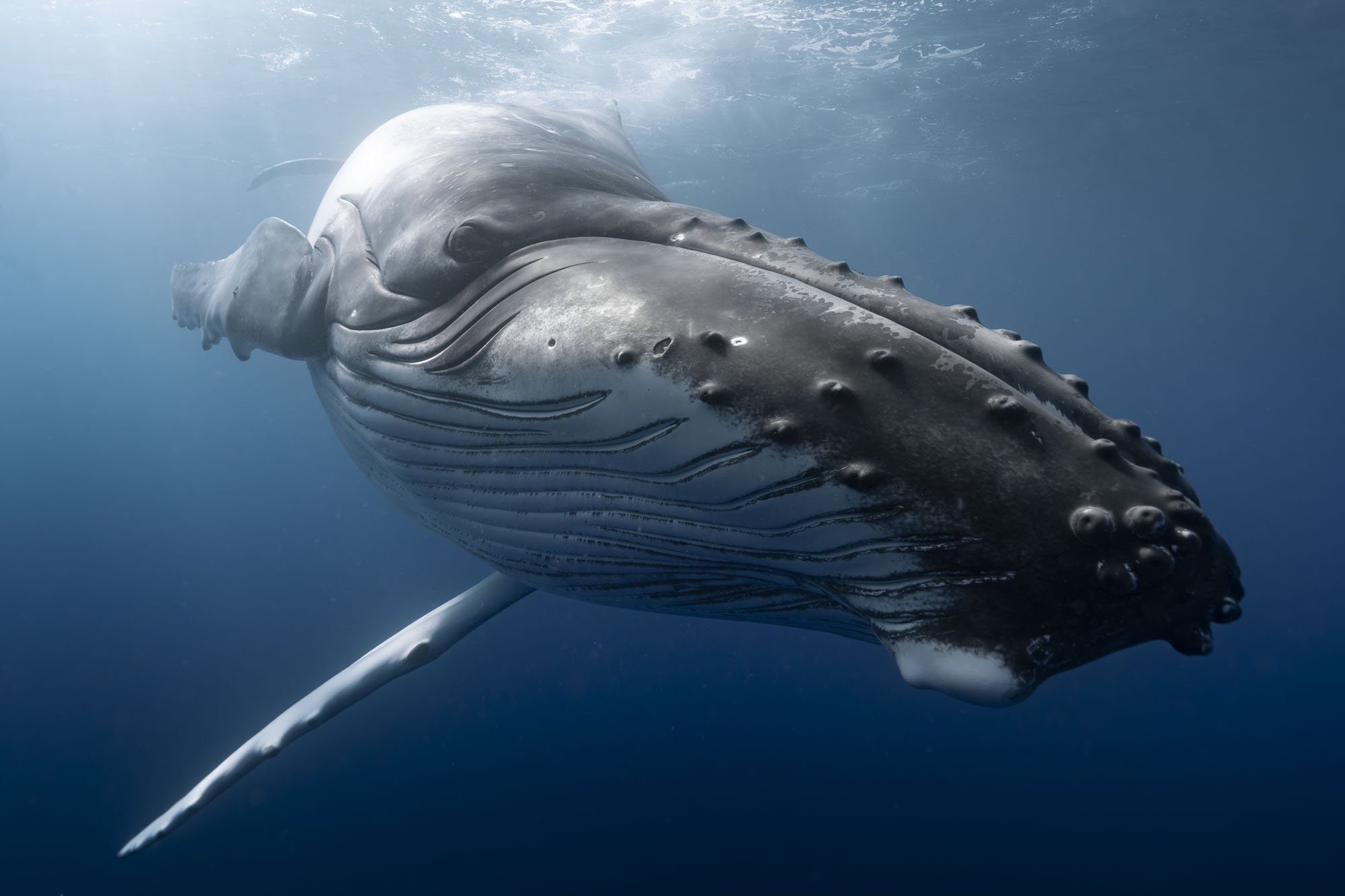
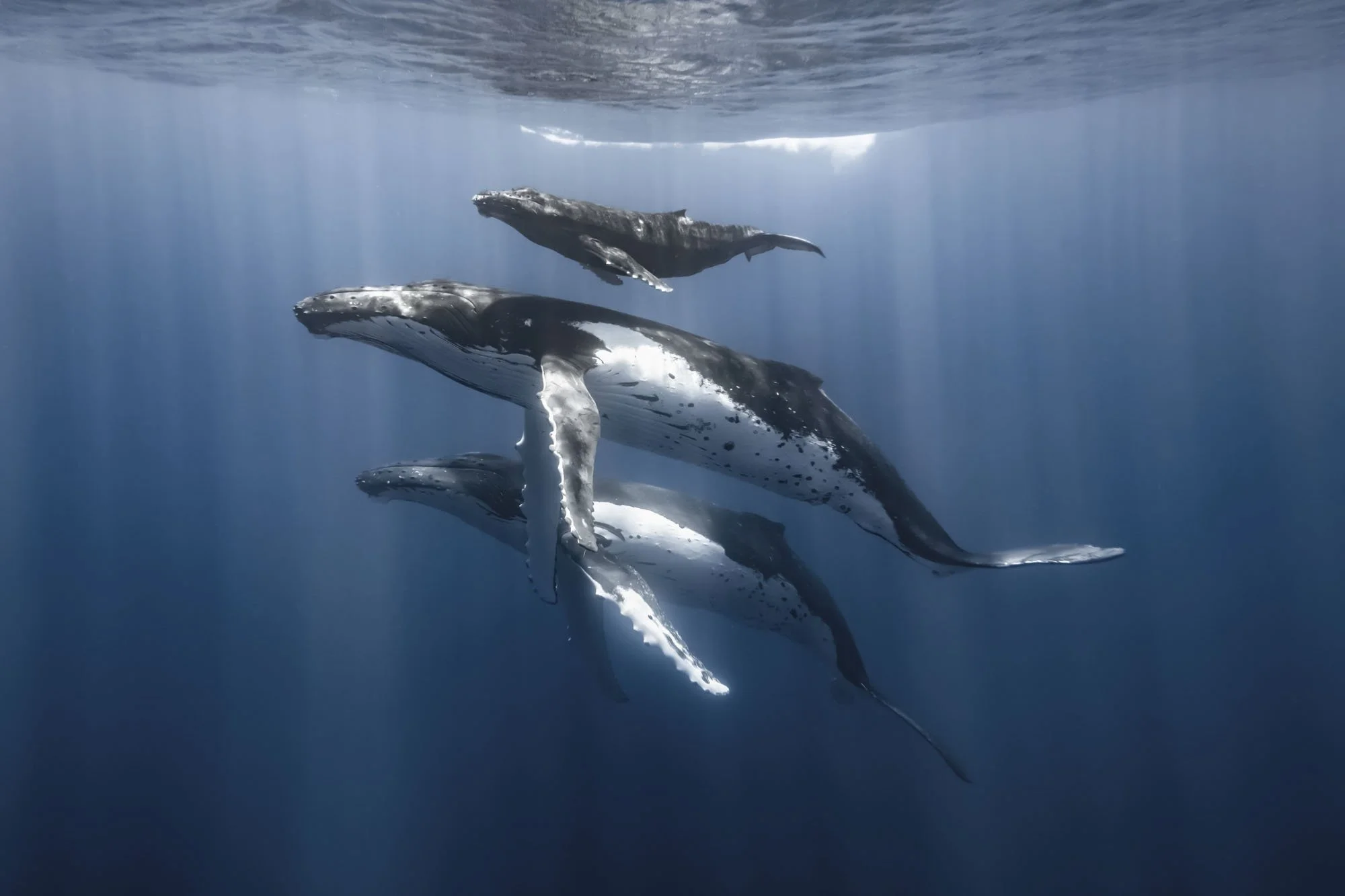
I met Sweet Girl during a full day at sea off Mo’orea. She was a young humpback whale, only three to four years old—playful and curious. In French Polynesia, you are only allowed to swim with whales alongside licensed guides, and we were there to meet them on their terms. When I entered the water, she approached almost immediately. For a long time, we gently swam away to give her space. But she moved calmly and with great control, keeping her pectoral fins tucked close to her body, always aware of where we were.
Eventually, I stopped. She came straight toward me, and we met eye to eye at the surface.
For nearly ten minutes, we hovered there together in stillness. We were as close as two beings can be without touching. It felt as though she wanted to be seen—and to see me. When she slowly drifted past, I knew she was leaving. I waved goodbye as she swam out into the channel. The next day, we met again just before a storm rolled in. In the last light of the day, she turned toward me one final time. Then the waves began to build, and she disappeared beyond the horizon. It was always she who decided when we would meet—and when we would part.
A few days after our encounter, Sweet Girl was likely resting at the surface near Tahiti when she was struck by a fast-moving vessel. Her lower jaw was shattered, her upper jaw severed, and her blowhole badly injured. She sought shelter near the reef, but her injuries were life-threatening. Local divers found her that morning, and a marine veterinarian identified her by the unique markings on her belly and tail. She was severely wounded and bleeding, which attracted tiger sharks. Even so, she fought bravely and stayed close to the reef, sometimes swimming toward boats as if seeking protection.
The veterinarian tried to document her injuries, but the sharks became increasingly aggressive. Her blowhole had been cut, and she was slowly drowning. There was no safe way to euthanize her, and in the end, she died from her injuries. We were out on the water that day but were not allowed to travel all the way to her because of local regulations. We went as close as we could. Our hearts were shattered. It felt as though the ocean itself was grieving when Sweet Girl was gone.
One Voice Can Make Waves
In the end, I hope Sweet Girl’s story reminds people that one voice matters. It’s easy to feel powerless, but art can move hearts in a way statistics cannot. If we love these animals, loving them means protecting them, even when it requires inconvenience or change.
For me, this is just the beginning. There are other urgent issues: enforcing ethical whale tourism, krill overfishing, and habitat protection. I want to continue telling these stories, possibly through film, and use my work not just to show the beauty of our ocean, but to defend it.
Sweet Girl’s story is a reminder that one voice matters. Loving these animals means protecting them. Her trust demands responsibility—and this is only the beginning.
Sweet Girl looked me in the eye. That kind of trust demands responsibility. I intend to honor that for the rest of my life.
Each year, 20,000 whales die from ship strikes—each one a sentient being. She is not just a number; she was a remarkable soul who connected with many. I had the privilege of capturing the beauty and life within her eyes, and it is heartbreaking to know that life is no longer with us.
If you would like to help create change to protect more whales in the future, a petition has been launched on Change.org, urging President Moetai BROTHERSON and the Government of French Polynesia to implement a mandatory speed limit of 12 knots or less for all large vessels operating within 2 kilometers of Tahiti and Mo’orea during the humpback whale season (July to November).
Reach out to Rachel through her website at rachelmoorephotos.com
Rachel Moore’s photography is the result of years of work in and around the world’s oceans. By spending much of her life beneath the surface, she documents the animals, environments, and relationships that make up the ocean’s complex ecosystems. Her images are created through patience, presence, and respect for the natural conditions of the sea, where the animals always remain at the centre of the story.
Through her photographs, Rachel portrays the ocean as a living, interconnected system in which every species plays an important role. Through intimate and unstaged encounters, she offers a glimpse into a world that most people never have the opportunity to experience at close range. Her work is not only about revealing the beauty of the ocean, but also about deepening our understanding of its importance and vulnerability.
As a photographer, Rachel sees her role as building a bridge between people and the life that exists beneath the waves. Through her images, she gives a voice to the ocean’s inhabitants and reminds us that the sea is not an endless resource to be taken for granted, but an ecosystem that requires care, respect, and understanding. The exhibition invites visitors to see the ocean from the perspective of its wildlife and to experience these environments on nature’s terms—with consideration, humility, and responsibility for future generations.
For interest in this collection contact us.
+46703757787
per@uponwalls.com
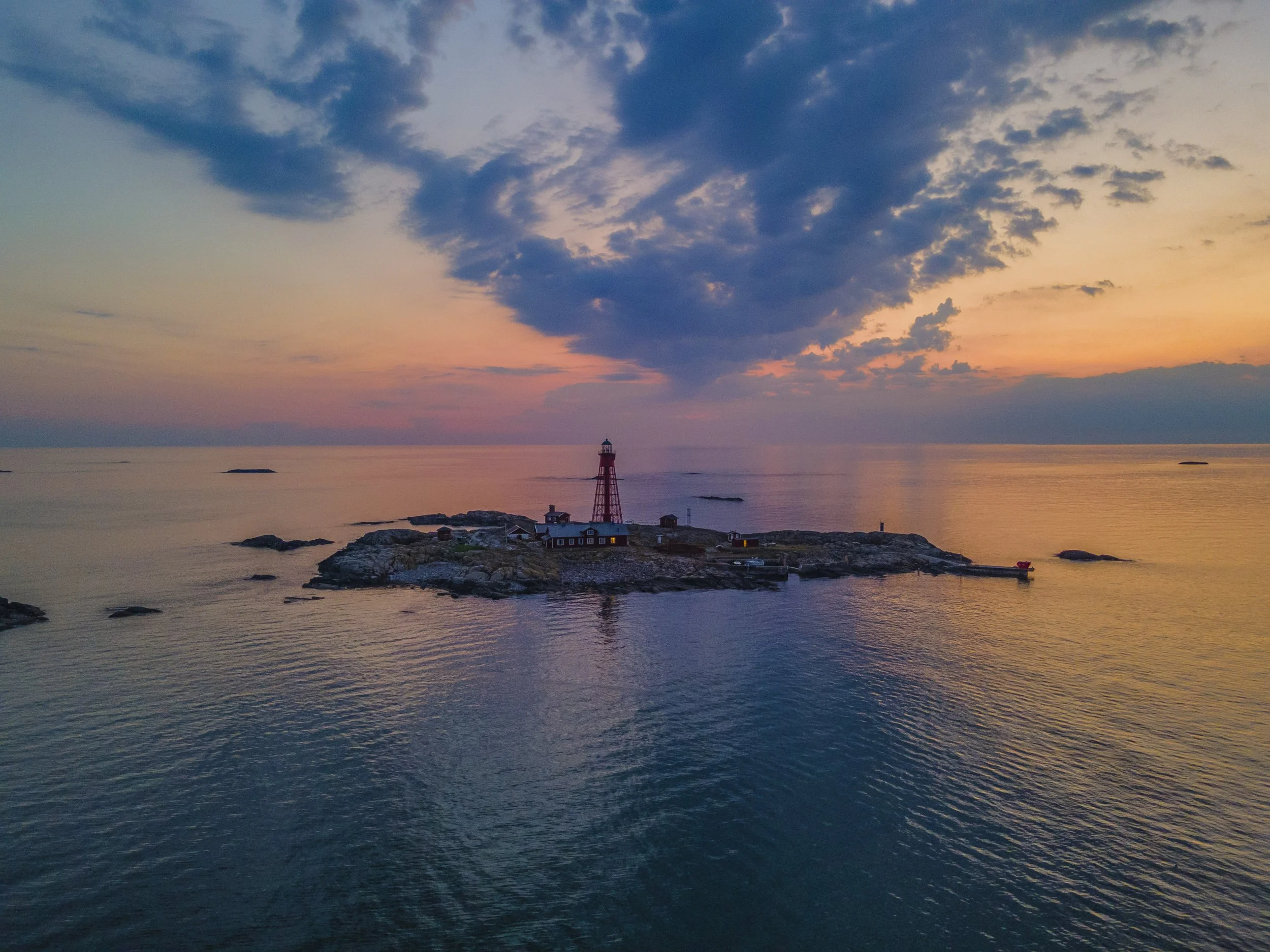
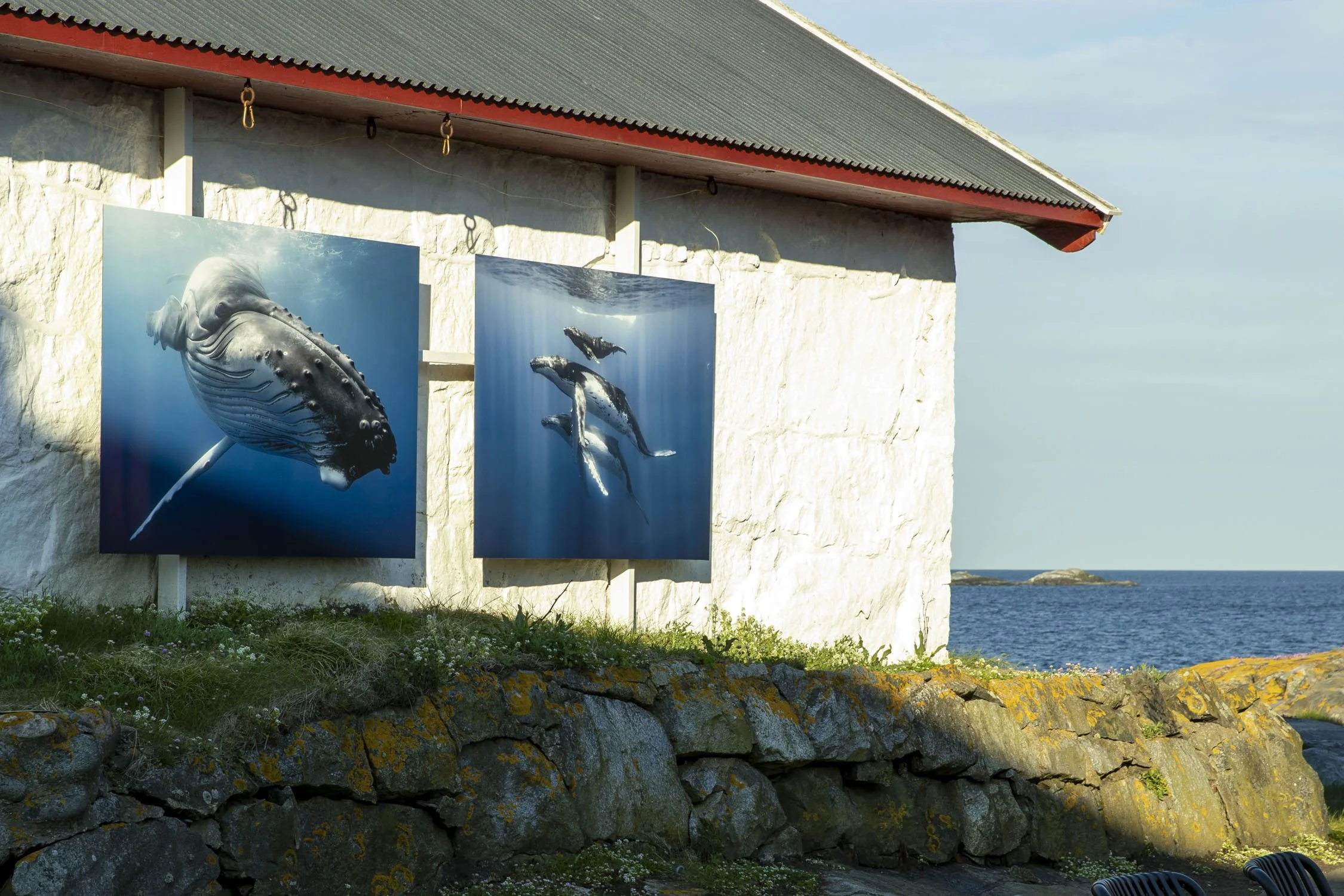
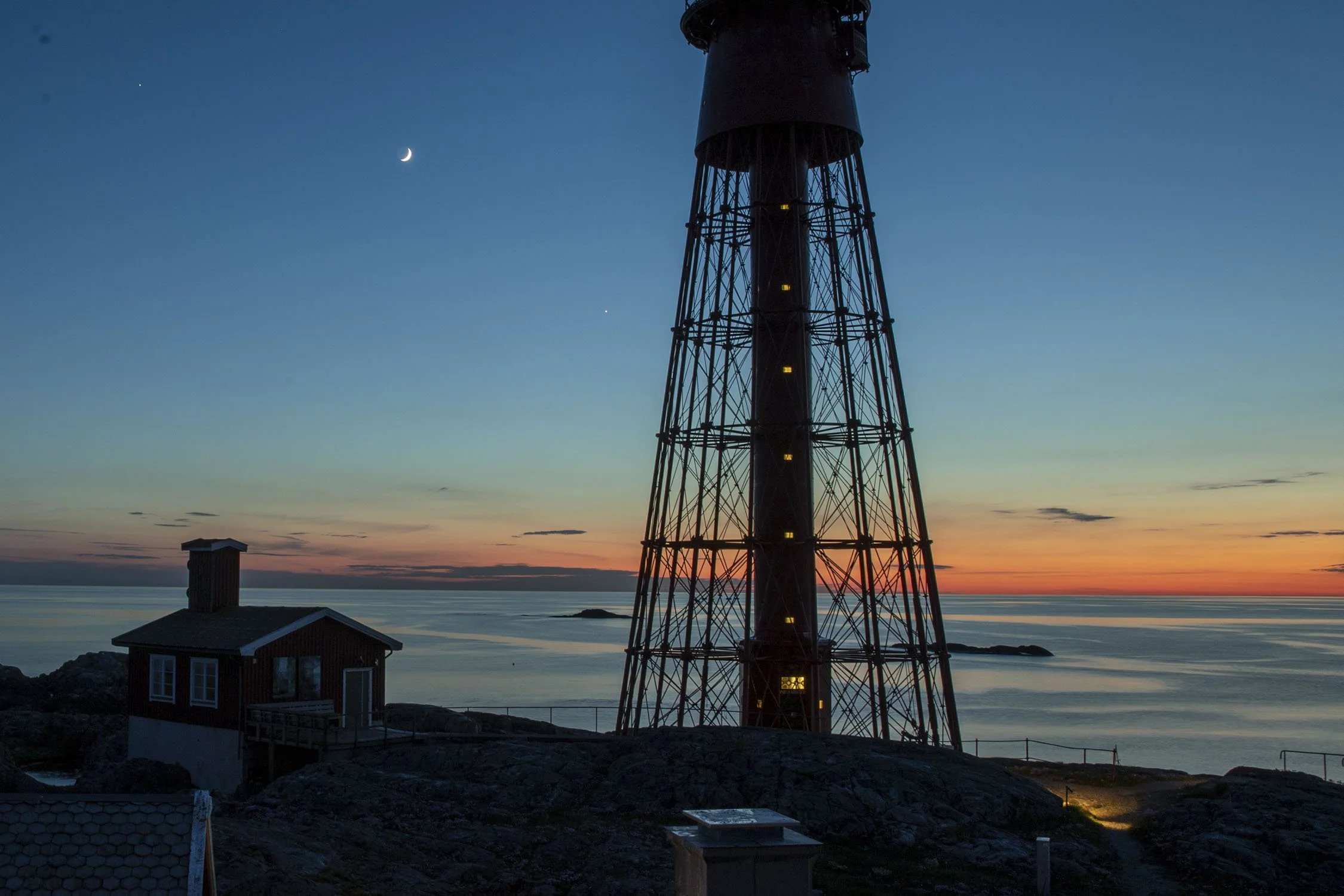
These images are part of our ongoing project, The Art & Science of Water, exploring the relationship between art, science, and the sea on the remote lighthouse island of Pater Noster.